Why Do You Need This Blog Post?
Publishing an article about jewelry consultant salaries can help your website reach people interested in jewelry careers, retail sales, luxury jewelry businesses, and professional jewelry services.
The topic offers several SEO and business opportunities:
1. Attract organic search traffic. People researching jewelry careers frequently search for salaries, commissions, qualifications, and career opportunities.
2. Reach jewelry professionals and business owners. Your audience can include sales consultants, jewelry retailers, showroom managers, and entrepreneurs.
3. Build topical authority. Salary and career articles help support a broader collection of content about jewelry photography, jewelry marketing, product presentation, and jewelry businesses.
4. Create internal linking opportunities. You can naturally connect this article to guides about jewelry photography, jewelry photo editing, and preparing jewelry products for online stores.
5. Introduce your services to relevant readers. Jewelry businesses interested in improving product listings may also need photography and professional retouching.
SEO consideration: This is primarily an informational article, so it may attract readers who are not immediately looking to purchase photo editing services. Its greatest value is supporting your jewelry content strategy and bringing new visitors into your website.
How Much Do Jewelry Consultants Make?
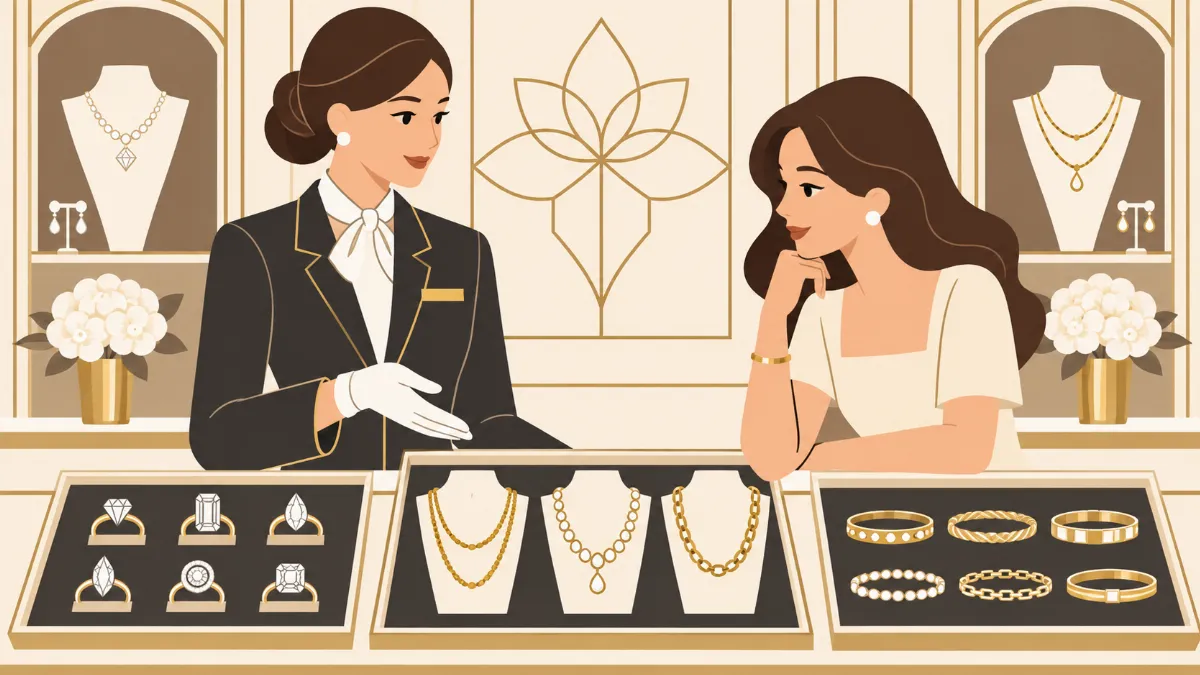
Working in the jewelry industry can be an interesting career for people who enjoy fashion, luxury products, customer service, and sales. Jewelry consultants help customers choose engagement rings, wedding bands, necklaces, bracelets, watches, and other accessories. They also explain product features, recommend suitable designs, and assist customers with important purchasing decisions.
One common question among people considering this profession is: How much do jewelry consultants make?
The answer depends on several factors, including location, experience, employer, sales performance, and commission structure. Some jewelry consultants receive a fixed hourly wage, while others earn a base salary plus commissions or performance bonuses. Consultants working with expensive jewelry collections may have opportunities to earn more, particularly when they develop strong customer relationships and consistently meet sales targets.
However, higher product prices do not automatically mean higher employee earnings. Compensation policies differ between jewelry stores, and some luxury retailers offer fixed salaries rather than individual sales commissions.
This guide explains jewelry consultant salaries, how commissions work, the responsibilities involved, and the skills that can help professionals increase their income. It also discusses the differences between retail jewelry consultants, luxury sales associates, and independent jewelry advisors.
1. How Much Do Jewelry Consultants Make on Average?
Jewelry consultants in the United States may earn approximately $30,000 to $55,000 annually in base pay, depending on the position, location, and employer. This is a broad illustrative planning range rather than a verified national average.
Professionals with strong sales performance, substantial experience, or access to higher-value clients may earn more when commissions and bonuses are included.
The following table provides illustrative salary scenarios for different career stages. These figures are not official salary survey results or guaranteed earnings.
Experience Level Illustrative Annual Base Pay
Entry-level jewelry consultant $30,000–$38,000
Experienced jewelry consultant $38,000–$48,000
Senior jewelry consultant $45,000–$60,000
Luxury jewelry sales specialist $45,000–$70,000+
Jewelry sales manager $50,000–$85,000+
These categories overlap, and actual compensation may fall outside the ranges shown. Commission, overtime, and bonuses can also change total annual earnings considerably.
How Much Do Jewelry Consultants Make Per Hour?
Many jewelry consultants work in retail stores and receive hourly wages.
For example, a consultant earning $18 per hour and working 40 hours per week for 52 weeks would receive approximately $37,440 in annual base pay before taxes and deductions.
A consultant earning $22 per hour under the same schedule would receive approximately $45,760 annually.
Part-time employees generally earn less in total because they work fewer hours, although their hourly rates may be similar to those of full-time employees.
How Much Do Jewelry Consultants Make Per Month?
Monthly earnings depend on annual salary and additional compensation.
A consultant receiving $42,000 annually earns an average of $3,500 per month before taxes. If the employee also receives $500 in monthly sales commissions, the average monthly gross compensation increases to $4,000.
It is important to distinguish gross earnings from take-home pay. Taxes, insurance contributions, retirement deductions, and other payroll expenses can reduce the amount deposited into an employee's bank account.
2. How Do Jewelry Consultant Commissions Work?
Commissions are an important part of compensation for some jewelry sales consultants. Instead of relying entirely on hourly wages or fixed salaries, employees may receive additional earnings based on completed sales.
Commission programs encourage employees to develop product knowledge, provide attentive customer service, and help customers find suitable jewelry.
However, not every jewelry store offers individual commissions. Some employers use team bonuses, storewide incentives, or fixed compensation.
Percentage-Based Sales Commission
Under a percentage-based commission system, consultants receive a portion of eligible sales revenue.
For example, consider a consultant who sells $40,000 worth of eligible jewelry during one month and receives a 2% commission.
The calculation would be:
\[
\$40,000 \times 0.02 = \$800
\]
The consultant earns $800 in commissions for that month, assuming all sales qualify under the employer's policy.
Commission rates vary considerably. A percentage such as 1%, 2%, or 3% can be used to illustrate the calculation, but these percentages should not be treated as universal jewelry industry standards.
Tiered Commission Structures
Some jewelry retailers use tiered compensation systems.
Under this arrangement, employees may receive a higher commission percentage after reaching a particular sales target.
For example, a hypothetical program might offer a 1% commission on the first $20,000 in monthly sales and 2% on additional sales.
If a consultant generates $30,000 in eligible sales, the calculation would be:
- First $20,000 at 1% = $200
- Remaining $10,000 at 2% = $200
- Total commission = $400
Tiered systems may motivate consultants to maintain consistent performance throughout the month.
Bonuses and Additional Incentives
Some jewelry stores also provide bonuses for reaching specific goals, such as achieving monthly sales targets, increasing customer satisfaction, or helping the store meet revenue objectives.
Employees may receive incentives for selling selected collections or participating in promotional campaigns.
Before accepting a jewelry consultant position, applicants should ask how commissions are calculated, when they are paid, and how refunds or returned products affect earnings.
3. What Factors Affect Jewelry Consultant Salaries?
Jewelry consultant earnings can differ significantly between employees performing similar responsibilities. Several factors influence compensation.
Experience and Product Knowledge
Experience can affect how confidently consultants communicate with customers and explain jewelry products.
Experienced employees may be more familiar with diamond characteristics, gemstone quality, precious metals, ring sizing, jewelry care, and common customer concerns.
This knowledge can help customers make informed purchasing decisions and may improve sales performance.
Consultants with years of experience may also qualify for senior positions, supervisory responsibilities, or specialized luxury jewelry roles.
Geographic Location
Location is another important salary factor.
Jewelry consultants working in major metropolitan areas may receive higher nominal wages than employees in smaller cities. However, living expenses may also be greater.
Employers typically consider local labor markets, customer demand, competition, and operating expenses when establishing compensation.
For this reason, applicants should compare salaries within their own geographic area rather than relying entirely on national figures.
Type of Jewelry Store
The type of jewelry retailer can also influence compensation.
A consultant working in a department store jewelry counter may have different responsibilities and incentives from someone employed by a luxury jewelry boutique.
Independent jewelry stores may offer opportunities to work closely with customers on custom designs, repairs, and special orders.
Luxury retailers may expect stronger product knowledge, professional presentation, and long-term customer relationship management.
Sales Performance
Employees working under commission-based compensation systems may increase their earnings by generating more eligible sales.
Successful consultants often develop skills in listening to customer preferences, explaining product differences, and recommending appropriate jewelry.
However, sales performance is not entirely within an employee's control. Customer traffic, inventory availability, seasonal demand, and store policies can affect results.
Professional Training and Certifications
Jewelry education may help consultants qualify for specialized positions.
Training in diamonds, gemstones, jewelry manufacturing, and precious metals can improve product knowledge and professional credibility.
Organizations such as the Gemological Institute of America offer educational programs related to diamonds, colored stones, and jewelry.
Certifications do not automatically guarantee higher salaries, but relevant training may support career development.
4. What Does a Jewelry Consultant Do?
Jewelry consultants are responsible for more than selling rings and necklaces. Their work involves customer service, product education, merchandising, and maintaining professional relationships with shoppers.
The exact responsibilities depend on the employer and the products sold.
Helping Customers Choose Jewelry
One of the main responsibilities of a jewelry consultant is assisting customers with purchasing decisions.
Customers may need help choosing engagement rings, anniversary gifts, birthday presents, or jewelry for special occasions.
Consultants ask questions about budget, personal preferences, gemstone types, and intended use before recommending products.
A successful consultation should focus on helping customers find suitable jewelry rather than pressuring them to purchase expensive items.
Explaining Jewelry Materials and Quality
Jewelry consultants often explain differences between gold, silver, platinum, diamonds, and colored gemstones.
For example, customers may ask about 14K versus 18K gold, natural versus laboratory-grown diamonds, or the durability of particular gemstones.
Consultants should provide accurate information and avoid unsupported claims about product quality, rarity, or investment value.
Maintaining Jewelry Displays
Jewelry presentation plays an important role in retail sales.
Consultants may clean display cases, arrange merchandise, check product labels, and make sure jewelry is presented neatly.
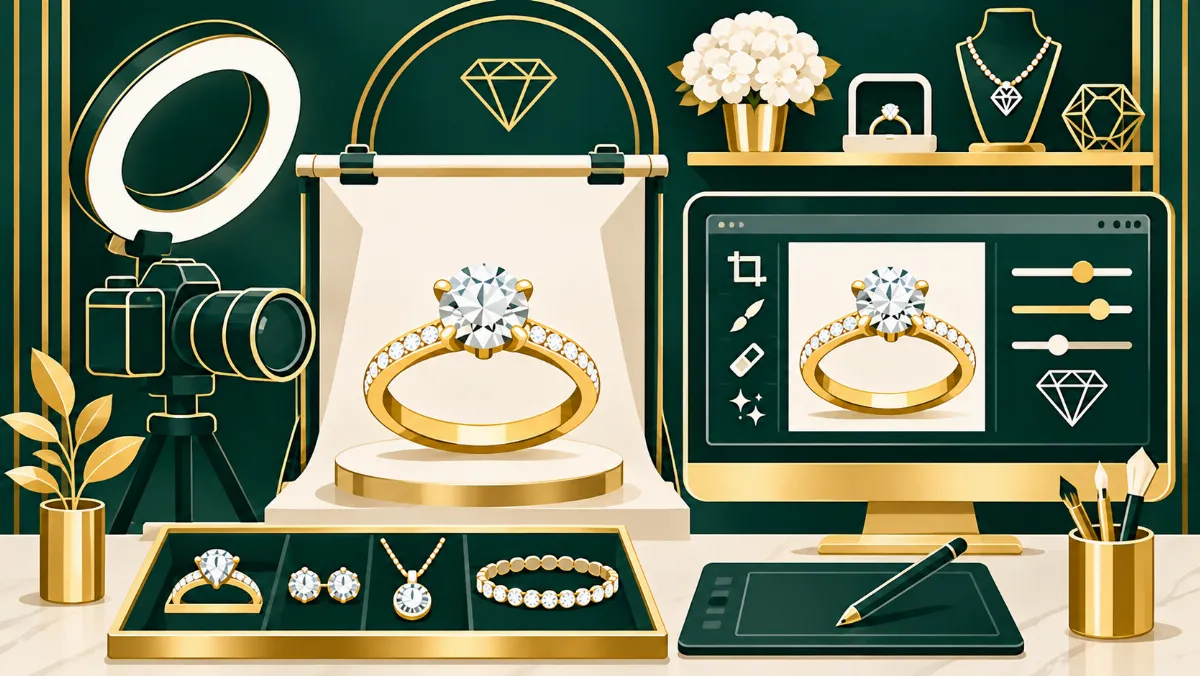
Stores also use professional jewelry photography for online catalogs, promotional materials, and e-commerce listings.
Clear product images help customers examine jewelry designs before visiting a store or making an online purchase.
Managing Customer Relationships
Repeat customers are valuable to jewelry retailers.
Consultants may maintain customer records, follow up on special orders, notify shoppers about new collections, and assist with after-sales services.
Customers purchasing expensive jewelry often appreciate working with someone who remembers their preferences and provides reliable product information.
Strong relationships can lead to repeat purchases and referrals.
Supporting Store Operations
Depending on their role, jewelry consultants may also assist with inventory counts, payment processing, order documentation, security procedures, and product returns.
Some employees coordinate with jewelers or repair specialists when customers request resizing, cleaning, engraving, or jewelry repairs.
These responsibilities make organizational skills and attention to detail important parts of the profession.
5. Do Luxury Jewelry Consultants Make More Money?
Luxury jewelry consultants may have access to higher-paying positions, but working with expensive products does not guarantee a higher salary.
Luxury jewelry retailers often serve customers purchasing engagement rings, fine watches, designer collections, and custom jewelry. Employees may be expected to provide personalized service and maintain long-term relationships with customers.
Companies such as Tiffany & Co. and Cartier operate in the luxury jewelry market, where product knowledge and customer experience are important.
Why Luxury Jewelry Positions May Pay More
Luxury jewelry consultants may receive higher compensation because their positions can require specialized knowledge, experience, and strong communication skills.
Some consultants work with customers making purchases worth several thousand dollars. These transactions often involve detailed discussions about gemstone characteristics, jewelry design, craftsmanship, and personal preferences.
Luxury consultants may also be responsible for maintaining relationships with high-value customers.
However, compensation depends on the retailer's policies. Some luxury brands use fixed salaries, while others provide bonuses or commissions.
Skills Needed for Luxury Jewelry Sales
Luxury jewelry consultants benefit from developing several professional skills:
- Knowledge of diamonds, gemstones, and precious metals
- Strong customer communication and listening skills
- Familiarity with luxury jewelry collections and craftsmanship
- Ability to explain product differences accurately
- Professional presentation and customer service
- Experience managing appointments and customer relationships
Employees who develop these skills may become candidates for senior sales positions, client advisor roles, or management opportunities.
6. How Much Do Independent Jewelry Consultants Make?
Independent jewelry consultants operate differently from traditional retail employees.
Instead of working exclusively for a jewelry store, they may provide advice to private clients, assist with jewelry sourcing, coordinate custom designs, or help businesses select jewelry collections.
Their income depends on their services, pricing model, number of clients, and business expenses.
Consultation Fees
Some independent consultants charge customers for professional advice.
For example, an independent consultant might charge $100 for a consultation about selecting an engagement ring or comparing gemstone options.
If the consultant completes 20 paid consultations during a month, gross consultation revenue would be:
\[
20 \times \$100 = \$2,000
\]
This amount represents business revenue rather than personal profit.
The consultant may still need to pay for marketing, transportation, software, insurance, taxes, and other expenses.
Project-Based Jewelry Consulting
Independent professionals may also charge project fees for helping clients source jewelry or coordinate custom orders.
For example, a consultant could charge an agreed fee for assisting a customer with selecting gemstones, communicating with a jewelry designer, and reviewing design options.
The final fee depends on the work involved and the agreement between the consultant and customer.
Commission-Based Independent Consulting
Some independent consultants receive commissions from jewelry suppliers or retailers when they refer customers or facilitate sales.
These arrangements should be disclosed clearly to customers, particularly when the consultant is also presenting themselves as an independent advisor.
Consultants should follow applicable consumer protection laws and avoid conflicts of interest.
Independent consulting can offer flexibility, but earnings may be inconsistent, especially when a professional is still developing a client base.
7. How Can Jewelry Consultants Increase Their Earnings?
Jewelry consultants interested in earning more can focus on professional development, sales performance, and long-term career growth.
Increasing income generally requires a combination of relevant skills, experience, and suitable employment opportunities.
Improve Jewelry Product Knowledge
Customers often ask detailed questions before purchasing expensive jewelry.
Consultants who can explain gemstone characteristics, precious metal purity, jewelry settings, and maintenance requirements may be better prepared to assist them.
Product education also helps employees recommend jewelry based on customer needs rather than relying entirely on price or appearance.
Develop Better Customer Service Skills
Strong customer service can support repeat business and positive recommendations.
Consultants should listen carefully, respect customer budgets, and provide accurate information.
A customer who feels comfortable during a purchase may return for future occasions, such as anniversaries, birthdays, or weddings.
Learn About Jewelry Photography and Online Selling
Modern jewelry businesses often operate both physical stores and online shops.
Consultants who understand how jewelry products are presented online may contribute to digital sales and merchandising activities.
For example, knowledge of product photography, jewelry image editing, and online catalog organization can be useful when assisting with e-commerce operations.
Professional jewelry photos should show accurate metal colors, clear gemstone details, and realistic product proportions.
These skills may support career opportunities in e-commerce merchandising, digital product management, or jewelry marketing.
Pursue Senior Positions
Experienced jewelry consultants may qualify for supervisory or management roles.
These positions can involve training new employees, managing sales targets, reviewing inventory, and coordinating daily store operations.
Management roles may offer higher base compensation, although they also involve greater responsibilities.
Consider Specialized Jewelry Roles
Consultants may also develop expertise in specific product categories, including bridal jewelry, diamonds, luxury watches, antique jewelry, or custom designs.
Specialization can help professionals serve customers with more detailed purchasing requirements.
Over time, this experience may create opportunities for higher-level positions or independent consulting work.
8. Is Being a Jewelry Consultant a Good Career?
A jewelry consultant career can be rewarding for people who enjoy working with customers, learning about jewelry, and participating in retail sales.
However, the profession also involves challenges that applicants should consider.
Advantages of Working as a Jewelry Consultant
One advantage is the opportunity to work with products that have personal meaning for customers.
Engagement rings, wedding bands, anniversary gifts, and family jewelry are often associated with important life events.
Consultants can help customers select products that match their preferences and budgets.
The profession can also provide opportunities to learn about gemstones, precious metals, jewelry design, and retail business operations.
Some positions offer sales commissions, bonuses, employee discounts, and career advancement opportunities.
Challenges of Jewelry Sales Careers
Retail jewelry consultants may need to work evenings, weekends, and holidays.
Busy shopping seasons can require longer shifts and frequent customer interactions.
Employees may also face pressure to meet sales targets, especially when compensation includes performance incentives.
Additionally, jewelry consultants must follow security procedures because they handle valuable merchandise.
Customers may have detailed questions or concerns about pricing, authenticity, warranties, and product quality.
These situations require patience, accuracy, and professional communication.
Who Should Consider This Career?
Jewelry consulting may be suitable for individuals who enjoy customer interaction and are comfortable explaining products.
People interested in fashion, design, luxury retail, and sales may find the work appealing.
However, success requires more than an interest in jewelry.
Consultants must be willing to learn, communicate clearly, follow store procedures, and provide dependable customer service.
9. How Do You Become a Jewelry Consultant?
Many entry-level jewelry consultant positions do not require a college degree.
Employers may prioritize communication skills, retail experience, reliability, and willingness to learn.
However, educational requirements differ depending on the employer and position.
Start With Retail or Customer Service Experience
Experience in retail sales can provide a foundation for jewelry consulting.
Employees learn how to greet customers, explain products, process transactions, and manage common service concerns.
Previous experience in fashion retail, department stores, or luxury goods may also be relevant.
Learn Basic Jewelry Terminology
Applicants should become familiar with common jewelry terms.
For example, understanding the differences between gold karats, gemstone cuts, jewelry settings, and metal finishes can help during interviews and customer consultations.
Learning about diamond grading is particularly useful for positions involving engagement rings and bridal jewelry.
Apply for Entry-Level Jewelry Positions
Applicants can search for jewelry sales associate, jewelry consultant, bridal jewelry advisor, or retail client advisor positions.
Job descriptions should be reviewed carefully because responsibilities and compensation structures can differ.
Some positions focus heavily on sales, while others include inventory management, merchandising, or administrative tasks.
Complete Employer Training
Many jewelry retailers provide training for new employees.
Training may cover product knowledge, customer service standards, sales procedures, security protocols, and company policies.
Employees should use these opportunities to become familiar with the store's products and customer expectations.
Continue Professional Development
Jewelry consultants can continue learning through professional courses, industry publications, and practical experience.
Additional education in gemology, jewelry design, or retail management may help employees pursue specialized positions.
10. Jewelry Consultant vs. Jewelry Sales Associate: What's the Difference?
The terms jewelry consultant and jewelry sales associate are sometimes used interchangeably.
Both positions may involve helping customers select jewelry, explaining products, and completing sales.
However, some employers use the consultant title for employees who provide more specialized assistance.
Jewelry Consultant Jewelry Sales Associate
May provide detailed product recommendations Often focuses on everyday retail sales
May specialize in diamonds or luxury jewelry May work across multiple jewelry categories
May manage appointments and repeat clients Often assists walk-in customers
May coordinate custom jewelry requests Commonly handles transactions and displays
Compensation depends on employer and role Compensation depends on employer and role
These differences are not universal. Job titles alone do not determine compensation or responsibilities.
A sales associate working for a luxury retailer may earn more than a jewelry consultant employed by a smaller business.
Applicants should evaluate the actual job description, compensation package, and career opportunities rather than relying entirely on the position title.
11. How Does Jewelry Photography Support Jewelry Sales?
Jewelry consultants rely on accurate product information and presentation when assisting customers.
In physical stores, customers can examine jewelry directly. Online shoppers, however, depend heavily on product photographs, descriptions, and specifications.
This makes jewelry photography an important part of online jewelry retail.
Clear Photos Help Customers Examine Products
Jewelry contains small details that may be difficult to see in ordinary photographs.
Diamonds, gemstones, engravings, prongs, and metal finishes require careful photography.
Product images should allow customers to examine these details without misrepresenting the jewelry.
For example, a diamond engagement ring may need multiple photographs showing the center stone, setting, side profile, and band.
Accurate Metal Colors Matter
Gold, silver, platinum, and rose gold should appear consistent with the actual product.
Incorrect white balance or excessive color adjustments can make jewelry look different from its real appearance.
Professional jewelry photo editing can help correct unwanted color casts while maintaining accurate product colors.
This is particularly important for online stores selling several variations of the same jewelry design.
Reflection Cleanup Improves Product Presentation
Jewelry surfaces naturally reflect surrounding objects.
During photography, these reflections may include dark camera shapes, unwanted equipment reflections, or distracting patches.
Professional retouching can reduce unwanted reflections while preserving natural metal textures and realistic highlights.
The goal should be to present the jewelry accurately, not to change its design or hide genuine product characteristics.
Consistent Images Support Online Catalogs
Jewelry retailers often sell hundreds or thousands of products.
Consistent backgrounds, image dimensions, and product positioning can make online catalogs easier to browse.
Professional jewelry photography and retouching services can support this process by preparing product images for e-commerce websites, marketing campaigns, and digital catalogs.
For jewelry businesses, investing in accurate product presentation can support the sales process and reduce confusion about product appearance.
12. Frequently Asked Questions About Jewelry Consultant Salaries
Do Jewelry Consultants Get Paid Commission?
Some jewelry consultants receive commissions in addition to their base salaries or hourly wages.
However, commission policies differ between employers.
Some stores offer individual sales commissions, while others use team bonuses or fixed compensation.
Applicants should confirm the compensation structure before accepting a position.
Can Jewelry Consultants Make $100,000 a Year?
It is possible for certain experienced jewelry sales professionals to earn $100,000 or more in total annual compensation, particularly in high-performing or specialized roles.
However, this is not a typical or guaranteed salary.
Reaching that income level may depend on employer compensation policies, location, sales performance, experience, and access to higher-value customers.
Do You Need a Degree to Become a Jewelry Consultant?
Many entry-level jewelry consultant positions do not require a college degree.
Retail experience, customer service skills, and product knowledge may be sufficient for certain employers.
Specialized positions may prefer additional education or industry training.
Is Jewelry Consulting a Commission-Only Job?
Not necessarily.
Some consultants receive hourly wages, some receive annual salaries, and others earn a combination of base compensation and commissions.
Independent consultants may charge clients directly for their services.
How Much Do Entry-Level Jewelry Consultants Make?
For planning purposes, an illustrative entry-level base salary range in the United States is approximately $30,000 to $38,000 annually.
Actual offers can be lower or higher depending on location, scheduled hours, employer, and job responsibilities.
Candidates should compare current job postings and local wage information before making employment decisions.
What Is the Highest-Paying Jewelry Career?
Some higher-paying careers in the jewelry industry include senior luxury sales roles, jewelry store management, specialized gemology positions, and successful jewelry business ownership.
However, salaries differ substantially, and owning a jewelry business involves financial risks and operating expenses.
There is no single jewelry profession that consistently pays the highest amount in every market.
Conclusion
So, how much do jewelry consultants make?
Jewelry consultant earnings depend on experience, location, employer, responsibilities, and compensation structure. Some professionals earn hourly wages, while others receive annual salaries, commissions, or performance bonuses.
For career planning, a broad illustrative U.S. base salary range of $30,000 to $55,000 can provide a starting point, but applicants should verify current local compensation before relying on those figures.
Professionals interested in increasing their earnings can develop product knowledge, improve customer service skills, gain experience in luxury retail, and pursue senior positions.
Jewelry consulting can provide opportunities for people who enjoy working with customers and learning about fine jewelry. As jewelry businesses expand their online operations, familiarity with digital merchandising and accurate product photography can also be useful.
For jewelry retailers looking to improve their online product presentation, professional jewelry photography and photo retouching can help maintain consistent, accurate product images across websites, catalogs, and marketing materials.